

River Belle casino Plinko
Introduction
Plinko looks almost too simple to deserve serious analysis. A ball drops from the top of a pegboard, bounces left and right, and lands in a prize slot with a multiplier attached to it. That is the whole visual idea. But after spending time with River belle casino Plinko, I can say the simplicity is mostly on the surface. Underneath it, the experience is shaped by probability distribution, pacing, stake control, and one of the clearest risk-selection systems I see in modern online best River Belle Casino games.
For players in Canada who are used to video slots, live dealer tables, or crash-style products, Plinko can feel unusual at first. It does not rely on reels, paylines, bonus rounds, or a dealer. It also does not ask the player to make complicated decisions every round. Instead, it turns randomness into something visible. You watch the ball collide with pegs in real time, and that visual journey creates tension in a way that is very different from a standard slot spin.
That is exactly why Plinko has become so noticeable on many gaming platforms, including River belle casino. It is easy to enter, fast to understand, and surprisingly varied once you start adjusting rows, bet size, and risk level. The key question, though, is not whether it looks entertaining. The real question is what Plinko actually offers in practice, how volatile it can become, and whether its style fits the way you prefer to play.
What River belle casino Plinko actually is and why it stands out
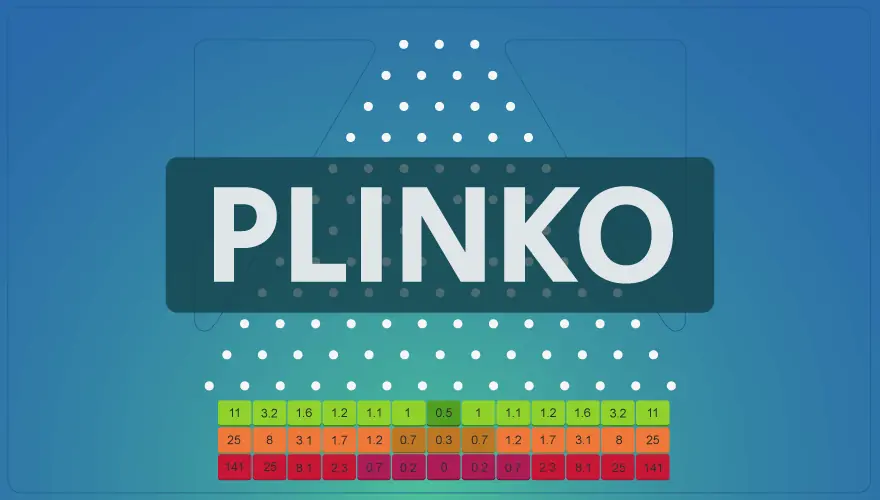
At its core, Plinko is a probability-based casino game built around a falling ball and a grid of pegs. The ball is released from the top of the board and changes direction with each impact until it lands in one of several slots at the bottom. Each slot carries a multiplier. Some are low and appear frequently, while the highest multipliers sit on the edges and are much harder to hit.
What makes River belle casino Plinko stand out is not just the familiar pegboard design. It is the way the game turns abstract odds into something visual and immediate. In a slot, the random number generator works behind the scenes and the player reads the result after the spin resolves. In Plinko, the random process feels more exposed. You can see the ball move, hesitate, drift toward the center, or suddenly bounce toward a higher-value edge. That visual transparency creates a stronger sense of suspense, even though the outcome is still governed by chance.
There is another reason the format gets attention. Plinko condenses the emotional rhythm of gambling into very short rounds. You place a stake, choose a risk profile, drop the ball, and get a result within seconds. The cycle is quick, but it does not feel as repetitive as a plain instant-win format because each drop has a visible path. That path matters psychologically. Even when two rounds end with the same multiplier, they may feel completely different depending on how the ball travelled.
One of my strongest observations is this: Plinko often feels more “interactive” than it really is. The player usually makes only a few setup choices, yet the moving ball creates the illusion of a live unfolding event. That is part of the appeal, and also part of the trap if someone starts reading patterns into a system driven by random outcomes.
How the Plinko mechanic works in real play
The basic structure of River belle casino Plinko is straightforward, but the practical meaning of each setting deserves attention. Before starting a round, the player typically chooses a bet amount and, depending on the version, adjusts the number of rows and the level of risk. Once the ball is released, it collides with pegs and shifts direction until it reaches the bottom row of multiplier slots.
The game logic is usually built around a distribution curve. In simple terms, central landing zones appear more often, while extreme left and right outcomes are rarer. That is why the biggest multipliers are often placed near the edges. The design is not accidental. It balances frequent modest returns against infrequent large hits.
Here is how the main variables usually affect the session:
| Setting | What it changes | What it means for the player |
|---|---|---|
| Bet size | Adjusts the value of each drop | Directly affects bankroll pressure and emotional intensity |
| Risk level | Changes the multiplier distribution | Higher risk usually means rarer top rewards and harsher low-end outcomes |
| Rows | Changes the depth of the pegboard | More rows often create a wider range of possible landing points and a longer visual path |
| Auto-play or repeated drops | Speeds up the session | Can make variance hit the bankroll faster than expected |
The role of risk level is especially important. On low risk, the bottom slots are usually arranged so that outcomes cluster around smaller but more stable multipliers. On higher settings, the spread becomes more extreme. That means the attractive edge multipliers get larger, but many drops may return very little or less than the original stake. For an inexperienced player, this is where Plinko shifts from “simple casual game” to a genuinely volatile betting format.
Another practical point: the ball’s path is entertaining to watch, but it should not be mistaken for a clue. The peg collisions create drama, not a readable pattern. The game may look as if a near miss on the edge suggests a bigger outcome is “close,” but each drop remains an independent event.
Why the game feels engaging and how its tempo affects the session
Plinko succeeds because it combines three things very efficiently: fast round resolution, visible randomness, and adjustable tension. That combination is rare. Many casino games are either slow and strategic, or fast but emotionally flat. Plinko sits in the middle. It is quick, but each round has a miniature arc: release, bounce sequence, landing, result.
At River belle casino, this matters because the game can fit different session styles. A player can treat it as a low-stakes background activity with modest drops over a longer period, or turn it into a high-intensity session by increasing the stake and selecting a more aggressive risk profile. The interface may remain simple, but the emotional rhythm changes a lot depending on those settings.
In practice, the tempo can be deceptive. A single round is short, and that creates a sense of control. The player feels they can stop at any moment. But because each drop resolves so quickly, a long sequence can build before the bankroll impact is fully noticed. This is one of the most important things to understand before launching Plinko: speed changes perception. A format with no reels and no long animations can still move money very quickly.
One detail that deserves more attention than it usually gets is the “silent streak” effect. In slots, bonus teases and special symbols break up losing stretches. In Plinko, a sequence of ordinary low multipliers can pass almost quietly. The session does not always feel dramatic, yet the balance can still decline steadily. That makes discipline more important than the calm interface suggests.
Risk profile, probability logic, and who should be cautious
Plinko is not a strategy game in the classic sense. The player does not influence the path of the ball after release. That means the core decision is not tactical play; it is risk configuration. You are choosing the statistical shape of the session rather than trying to outplay the system.
For that reason, understanding probability in Plinko is less about exact prediction and more about expectation. Most drops tend to land away from the highest multipliers. The center of the board usually absorbs a large share of outcomes. The edge values are what attract attention, but they are not the normal result. If someone enters Plinko mainly focused on the maximum multiplier shown on the paytable, they are likely to misread the game.
I would break the practical experience into three broad styles:
- Low-risk play: better suited for players who want smoother balance movement and less emotional swing. The upside is limited, but the session tends to feel steadier.
- Medium-risk play: often the most balanced option for players who want visible variance without turning every short run into a bankroll stress test.
- High-risk play: designed for players who accept long stretches of weak outcomes in exchange for a small chance of a major multiplier.
That last category needs special caution. High-risk Plinko can produce a very misleading experience. Because each round is short, the player may tolerate poor returns for longer than they would in a slot session, especially while chasing the idea that one edge hit could reset the whole run. Sometimes it can. Often it does not.
So who should be careful? Players who dislike dry stretches, those who chase losses impulsively, and anyone who confuses visible motion with increased control. Plinko looks friendly. In high-risk mode, it is not especially forgiving.
What to understand about session rhythm, variance, and possible outcomes
The most useful way to approach Riverbelle casino Plinko is to think in terms of session shape rather than individual drops. One isolated result says very little. A sequence of 50, 100, or 200 drops gives a much better sense of how the chosen settings behave.
Variance in Plinko shows itself clearly. Low multipliers may appear often enough to keep the game moving, but they do not necessarily preserve the bankroll. A return can still be below the original stake. That distinction matters. Frequent hits are not the same as profitable hits. Many players understand this in slots, but forget it in Plinko because the board visually rewards so many landings.
Here is a practical breakdown of what session outcomes often feel like:
| Session pattern | How it feels | What it usually means |
|---|---|---|
| Frequent small returns | Steady and calm | Useful for extending play time, but not necessarily strong for balance growth |
| Long run of low-end landings | Quietly frustrating | Common in higher-risk settings; bankroll may erode faster than expected |
| Occasional mid-range multipliers | Momentum boost | Can stabilize the session without fully changing its direction |
| Rare edge hit with a large multiplier | Sharp emotional spike | The event many players chase, but not something to treat as likely in the short term |
One of the most memorable things about Plinko is that the same game can feel relaxing or punishing depending on one setting change. A player can move from a manageable session to a highly unstable one simply by increasing the risk level, even while keeping the stake unchanged. That is why I consider Plinko a game of configuration as much as chance.
How Plinko differs from slots and other casino games
The easiest comparison is with classic online slots, but the differences are more substantial than they first appear. Slots are built around reels, symbol combinations, and often layered bonus systems. Plinko strips all of that away. There are no paylines to track, no feature buys to evaluate, and no scatter anticipation. The action is concentrated into one visible random event.
This creates several practical differences:
- Less visual clutter: Plinko is easier to read immediately. A new player understands the board faster than a modern slot with multiple modifiers.
- More transparent tension: the suspense comes from the ball path, not from hidden reel math or delayed bonus potential.
- Fewer layered mechanics: there is less complexity, which some players find refreshing and others find too thin over time.
- Sharper focus on variance: because there are no side features to distract from results, bankroll swings feel more direct.
Compared with roulette, Plinko shares the appeal of quick rounds and visible randomness, but the emotional texture is different. Roulette resolves in a single decisive landing. Plinko stretches that landing over a short sequence of bounces, which creates more suspense per round. Compared with crash games, Plinko is less about timing decisions and more about preset exposure to chance. Compared with River Belle Casino blackjack review, it offers almost no strategic agency after the setup stage.
That means Plinko is best understood not as a slot substitute and not as a table game alternative, but as its own category of probability entertainment. It is ideal for players who want fast action without learning a complex ruleset, yet it may feel too repetitive for those who need evolving features or skill-based choices.
Practical strengths and real limitations of the format
River belle casino Plinko has clear strengths, but they only matter if they match the player’s expectations. The first strength is accessibility. The learning curve is low. You do not need to study payline structures, card values, or special symbol interactions. That makes the game approachable for beginners.
The second strength is pacing control. By adjusting stake and risk level, the player can shape the session more directly than in many slots. In a slot, volatility is largely embedded in the design. In Plinko, the player often has more visible control over how aggressive the experience becomes.
The third strength is emotional clarity. The game does not hide what it is doing. You are watching random distribution play out in front of you. For many players, that feels cleaner and more honest than dense slot presentation.
Still, the limitations are just as real. The biggest one is repetition. Once the visual novelty fades, the game loop remains extremely narrow. Drop, bounce, land, repeat. If a player needs narrative progression, bonus rounds, or changing feature layers, Plinko may become monotonous faster than expected.
Another weak point is the way it can encourage unrealistic expectations through its edge multipliers. The board constantly displays the most exciting values, even though they are the least likely to appear. That visual emphasis can distort judgment, especially in high-risk mode.
There is also a structural limitation in player agency. While the setup choices matter, the round itself offers no intervention. For some, that is ideal. For others, it reduces engagement after the first few sessions.
What to check before launching a Plinko session
Before trying River belle casino Plinko, I recommend treating the setup screen as the real decision point. Once the ball is dropped, the round mostly plays itself. So the quality of the session depends heavily on what you choose beforehand.
The most important points to check are simple:
- Understand the selected risk level before increasing stake size.
- Notice whether the displayed multipliers are realistic session targets or rare outliers.
- Set a bankroll limit based on number of drops, not just total money.
- Use demo mode, if available, to feel the rhythm of different settings without pressure.
- Be cautious with auto-play if you have not yet seen how fast the balance can move.
I would add one more practical note. If you are the type of player who enjoys reading patterns into outcomes, Plinko can be dangerous in a subtle way. The bouncing path looks meaningful. It invites interpretation. But on a properly run game, previous drops do not create a “hot side” of the board. The board is not building toward an overdue edge result just because several balls landed near the center.
That is probably the most important mindset adjustment: watch the motion for entertainment, not for prediction.
Final verdict on River belle casino Plinko
River belle casino Plinko offers a very specific kind of casino experience. It is fast, visually clear, easy to understand, and capable of producing very different session styles from the same basic board. That is its main strength. A newcomer can grasp it in seconds, while an experienced player can still find depth in the way risk level, rows, and stake size reshape the feel of play. Before you make a deposit, it is worth reading Aviator crash game details for the fee and speed details.
What the game does best is turn probability into a visible event. You are not just waiting for a result; you are watching chance unfold. That gives Plinko a tension curve that standard slots often lack. At the same time, the format has real limits. It can become repetitive, it offers little direct agency after the drop, and high-risk settings can burn through a bankroll faster than the calm interface suggests.
So, is Plinko worth trying? Yes, if you want a clean, quick, chance-driven format with adjustable intensity and no unnecessary complexity. No, if you prefer long-form slot features, strategic decision-making, or a game loop with more variety. In my view, Riverbelle casino Plinko works best for players who appreciate short rounds, visible randomness, and disciplined bankroll control. For that audience, it is not just a trendy pegboard game. It is a focused gambling format with a distinct rhythm, clear strengths, and a few important warnings that should not be ignored.
FAQ
How does Plinko work in an online casino with ball drops and multipliers?
A ball is released and drops through a grid of pegs, bouncing until it lands in a final slot. Each slot has a multiplier that applies to the selected stake for that round. Total outcomes depend on where the ball ends, not on previous rounds.
Which risk level should be expected from a Plinko game with changing multipliers?
Plinko is typically considered a higher-volatility game because outcomes can vary widely from round to round. Larger multipliers are paired with a greater chance of lower results. Selecting the right stake size helps keep sessions within a comfortable budget.